How to Write a Business Book That Grows Your Credibility and Revenue
Steal the writing frameworks I use as a business book coach and ghostwriter.
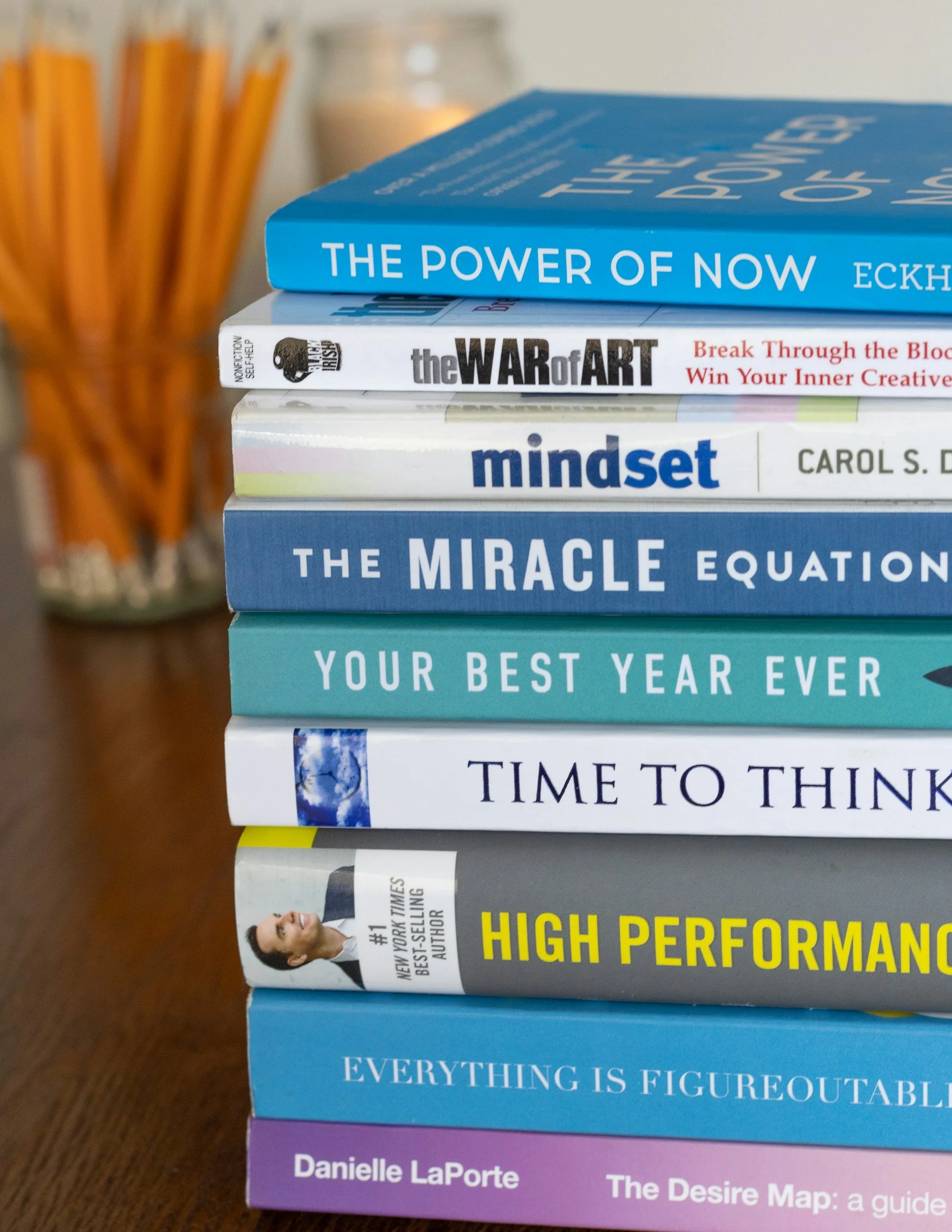
If you’re an entrepreneur with a coaching program, speaking career, or consulting services – writing a business book is an excellent way to build your credibility and client base.
Maybe you already have an idea or philosophy for what you want to share. But you might be wondering exactly how to write a business book.
From the writing process to the publishing industry, a lot of questions tend to come up, like:
What should my book topic be?
Should I self-publish or pitch traditional publishers?
What are the steps of the book-writing process?
How do I market my business book?
Every aspiring nonfiction author has doubts and questions like these.
As a business book coach and ghostwriter, it's my job to help my clients navigate every step of the process.
That's why I've gathered everything you need to know in this article to help you get started.
You'll learn:
What is a Business Book?
Develop a Plan for Your Business Book
5 Steps to Outline Your Business Book
Business Book Chapter Template
I'll share examples from business owners I've worked with who have used their books to launch speaking careers, promote mentorship retreats, book executive coaching engagements, and more.
If at any time you'd like personalized support with your book project, reach out here.
View My Ghostwriting Case Study
Discover how I helped three business leaders to bring their book to life – from initial idea to final publication. Plus, take a peek at a writing sample from the book.

What is a Business Book?
An obvious definition of a business book is that it’s rooted in a business topic – like leadership, marketing, or talent development.
But a business book doesn’t have to solely talk about business to fall under this genre.
Many personal development self help books are also listed under Business and Economics, because self improvement and business growth is deeply intertwined.
A great example is Dan Sullivan.
He’s an entrepreneur with a highly successful program, Strategic Coach.
Each of his business books illustrates a philosophy or framework from within his programs. When readers get excited about these methods, they seek to work with Dan to implement them in their own businesses.
Business books like these act as a natural lead magnet for your programs or services, build your credibility, and open doors to opportunities like speaking engagements and coaching.
💡Did you know? Dan Sullivan works with co-authors to help him write his books. He brings the concepts, ideas, and case studies – while his co-authors, like Dr. Benjamin Hardy, use their writing skills to develop books that have made Dan a bestselling author.
» If you want to work with a co-author or ghostwriter to bring your ideas to life, schedule a consultation here.
Otherwise, let’s get into the details of how to write a business book.
Develop a Plan for Your Business Book
If you have an idea for how to write your business book, it’s tempting to jump straight into writing your first draft.
But I can tell you from experience that starting the process without a plan leads to overwhelm and confusion down the road.
The first time I was hired to ghostwrite a book, I started interviewing my clients and writing their chapters before finalizing the outline.
This worked for a while but eventually we hit a wall. There were parts of the message and stories that weren’t fitting into the structure.
That’s how I found myself staring at 10,000 words in a Google doc in the middle of the night, struggling to figure out how it would all come together.
Sound familiar?
After that project, I developed a strategic process and framework to use from the beginning.
Creating a plan sets your non-fiction book up for success because it makes the entire process easier and ensures the book you write actually helps you reach your business goals.
This book-planning process includes:
Setting Goals. Know exactly how you want your book to grow your business, because this informs your book topic and transformation (we’ll dive deep into this later).
Deciding on Your Publishing Plan. Understand the publishing industry and which steps to take first to reach your goals.
Developing a Book Map and Outline. Finalize the core message, transformation, and chapter structure before you start writing, because this makes the writing process flow smoothly.
Let’s dive deeper into each.
Set Book Goals.
The first step is to define Your Book’s Objective: a vision of exactly what you want your book to help you achieve.
A book is a fantastic way to funnel right-fit clients into your offers, become a household name in your industry, book more speaking engagements, and so much more.
It’s important to define these goals upfront, because they guide what type of book you’re writing, the basic concept you choose – and who you’re writing it for.
Write down the top 3 tangible business goals you’d like to achieve as a result of writing your book.
Examples:
Attract higher-ticket and/or more aligned clients
Book more keynote speeches (and/or commanding higher speaking fees)
Become a thought leader in your niche or industry
Enhance your reputation among peers or within your organization
Your book launch can either elevate your current business or help launch something entirely new.
Setting goals like this from the beginning is important because it will define the core message of your book.
For example, if your goal is to increase signups for a certain coaching program – the idea of your book likely should center around a method or philosophy within that program.
Readers will get interested in your method and build trust in you as they read their book, and then many will come to you for implementation (aka, sign up for your program).
Decide on Your Publishing Plan.
Once you know your topic, it's time to decide how you'll actually get your book into readers' hands.
There are two main paths: self-publishing or pursuing a traditional book deal.
Self-Publishing. Many authors of business books choose to self-publish if they already have a way to reach their audience and promote their book — like an email list, a social media following, a speaking platform, or client base.
Self-publishing also means you keep full control over your timeline, your cover, your pricing, and your rights.
However, you do have to invest upfront in the process — covering costs like editing, cover design, formatting, and ISBN registration yourself,
Traditional Publishing. You pitch literary agents and publishing houses with a formal book proposal — a document that outlines your book's concept, audience, marketing plan, and competitive titles.
If you land a book deal, you'll gain access to a publisher's editorial team, distribution network, and industry credibility.
But the trade-off is time (the traditional publishing industry can take one to two years from deal to shelf) and control (publishers typically have final say over your title, cover, and edits).
It's important to think about this before you start writing, because the path you choose dictates the steps you take.
If you plan to self-publish, you'd move straight into writing the manuscript. If you plan to pitch publishers, you'd start with a book proposal instead.
5 Steps to Outline Your Business Book
Writing an entire book is not the same thing as stringing together 10 blog posts. It needs to have a clear structure, transformation, and narrative drive to bring your audience through.
That’s why the next step is to develop a book map and outline for your business book.
An outline is one of your best writing tools because it keeps you anchored to your core message, speeds up the writing process, and sets you up to write a successful book — so you're not stuck staring at a blank page wondering what comes next.
1. Gather Ideas and Information.
Client Case Studies. Case studies play a massive role in business and nonfiction books, especially when you’re teaching a method or eventually guiding readers toward an offer.
These stories bring your ideas to life and help demonstrate that your approach creates real results. It’s important to have at least a few client stories, testimonials, or examples you can weave into your book.
Your Philosophy. This is the clear idea, framework, or perspective you want to become known for that relates to your business or services.
One ghostwriting client I worked with built their book around a specific method for developing talent to create stronger results within organizations.
That core philosophy was the topic of the book and naturally led readers to want to work with the author on talent strategy implementation.
2. Develop a Book Idea (Core Message)
A core message is the central theme that everything else in your book builds on.
Getting clear on this message makes it easier for you to write your book and easier for your reader to follow the narrative.
Here are a few examples of core messages in popular books:
You Are a Badass by Jen Sincero → You have the power to change your life by changing your beliefs and taking bold, intentional action.
Start With Why by Simon Sinek → The most successful leaders and organizations inspire others by clearly communicating their purpose.
When I help my business author clients determine their core message, I ask them:
Is there a unique method, business philosophy, or unique belief that you bring to your work/the book you want to write?
This is a great starting point if you’re trying to figure out your core message.
3. Define Your Ideal Reader
Now, let’s focus on who your book is for. Enter: your ideal reader (or target audience).
The more specific you are about who you’re writing to, the more likely your book will resonate, sell, and lead readers to work with you.
To get started, let’s do a quick visualization.
💭 Imagine your book is out in the world, and your ideal reader is holding it in their hands. The jacket is still crisp as they crack open the hardcover. It’s the quiet of the morning, and they can’t wait to dive into what you have to share.
Bring that person to mind. Now, define a few things about them:
Demographics.
These are the basic facts about them.
How old are they?
What stage of life or business are they in?
What kind of work do they do?
What is their job title?
Current Emotional State.
Think about these questions as they relate to your book and the problem you solve.
What spot are they in right now, as they open your book?
What challenges are they facing?
What’s keeping them stuck?
Desires and Fears.
Explore what matters most to them.
What is their deepest desire, as it relates to this topic?
How will getting that thing change their life?
What are they afraid will happen if they don’t figure it out?
Beliefs.
This is about what they need to understand or unlearn to benefit from your book.
What does your reader need to believe to get results?
What mindset shift must they adopt to benefit from your approach?
What myths or misconceptions do you need to debunk?
All of this helps you answer the most important question:
>> How will your book take your reader on a journey from where they are now to where they want to be?
This is what people often call the “transformation” your book offers.
To think more deeply about that, let’s look at where your reader will be after they’ve read your book. I call this their desired emotional state.
Desired Emotional State.
How will your reader feel after reading your book and applying what they’ve learned?
What will they have accomplished or worked through?
What new perspective, outcome, or skill will they walk away with?
And how will that positively impact their life?
You don’t need to solve everything for your reader.
Solve one problem really well – like showing them a new method to grow their business, shifting their mindset to get unstuck, or explaining a new approach to productivity that saves them time.
The key is to understand your reader’s pain points deeply and take them on a journey to resolve them (in a way that aligns with your core message and offers).
This journey is what becomes the outline of your book.
4. Create Your Chapter Outline
The Book Map helps you create a birds-eye view of how your book will come together, before you start brain dumping content into chapters.
As we discussed above, your book takes your reader on a transformation journey. To begin shaping that journey, we’ll use something I call the Transformation Arc Framework.
This framework helps you start grouping your ideas into chapters or sections.
Here’s how to think about it for a typical 10-12 chapter business book:
Introduction.
This is kind of like the elevator pitch for your book that convinces your reader to keep going.
Introduce yourself and explain why you are the right person to write this book (share credibility or lived experience).
Acknowledge the reader’s problem or desire so they feel seen and understood.
Tell them what they’ll learn or take away from the book.
Pique their curiosity to segue into the first chapter.
💡 Tip: Although this section comes first in the book, I actually recommend writing it last. It’s much easier to write an introduction that ties everything together once you’ve clarified your chapter flow.
The Starting Point (2-3 Chapters)
This is where your reader begins their journey — stuck, uncertain, or in search of something more. Your goal here is to meet them where they are and build trust. In these chapters, you:
Name the pain. Acknowledge the challenges, frustrations, or questions they’re facing right now.
Share your story. Relate to your reader through your own experiences. Let them see that you’ve been where they are.
Highlight the problem. Help them articulate what’s not working — even if they don’t fully realize it yet.
Shift beliefs. Debunk myths or reframe limiting assumptions so your reader is primed for the transformation ahead.
The Juicy Middle (5-6 Chapters)
These are the chapters that dig deep into the solution you offer in the book (aka the philosophy, mindset, or method from your core message).
Unpack your core message. Go deep into the method, framework, or philosophy you outlined earlier.
Build momentum. Each chapter should build upon the last, helping the reader make steady progress toward their desired outcome.
Use stories and examples. Reinforce your teachings with real-life stories, case studies, or analogies that make your message stick.
Inspire action. Encourage reflection, implementation, or small wins along the way to keep the reader engaged and invested.
The Ending Point (2-3 Chapters)
This is the closing arc of your book — where you help the reader reflect on their growth and envision what’s possible next. In these chapters, you:
Celebrate the progress. Remind your reader how far they’ve come since page one.
Anchor the transformation. Summarize the key shifts they’ve experienced — in thinking, habits, or perspective.
Cast a vision. Show them what’s now possible with this new mindset or method.
Conclusion
The conclusion should feel like a natural closing of the loop. Revisit the core message and transformation from a place of resolution and momentum.
Recap the Journey. Briefly reflect on where the reader started, what they’ve learned, and how far they’ve come.
Invite them to work with you. Here’s where you can talk about your consulting, coaching, or speaking offers that would enable them to go deeper into the subject.
The Book Map is designed to help you visualize how your chapters will unfold and where your stories fit within the overall narrative arc.
Once you’ve mapped this out, you’ll be ready to start outlining your individual chapters.
Business Book Chapter Template
Here's a sample chapter template.
[CHAPTER TITLE]
1. The Spark
Kick off with a story or scene that draws the reader in and sets the stage.
2. The Big Idea
What’s the core message or argument of this chapter?
3. The Breakdown
Unpack the concept. Share insights, frameworks, research.
4. Real-Life in Action
Bring the ideas to life with stories, case studies, or client examples.
5. What This Means for You
(Optional) reflection section with tangible takeaways, prompts, or questions for the reader to consider or act on.
6. The Bridge
Transition into what’s coming next aka give readers a reason to keep reading.
I'm Allegra, a business book coach and ghostwriter.
My articles and client case studies give you a behind-the-scenes look of how I've helped authors transform their ideas into published books.
If you're interested in support for your own book project, I'd love to learn more about your goals. Book a consult below to learn how I can support you through book coaching or ghostwriting.